Diploma in DevOps
About DevOps:
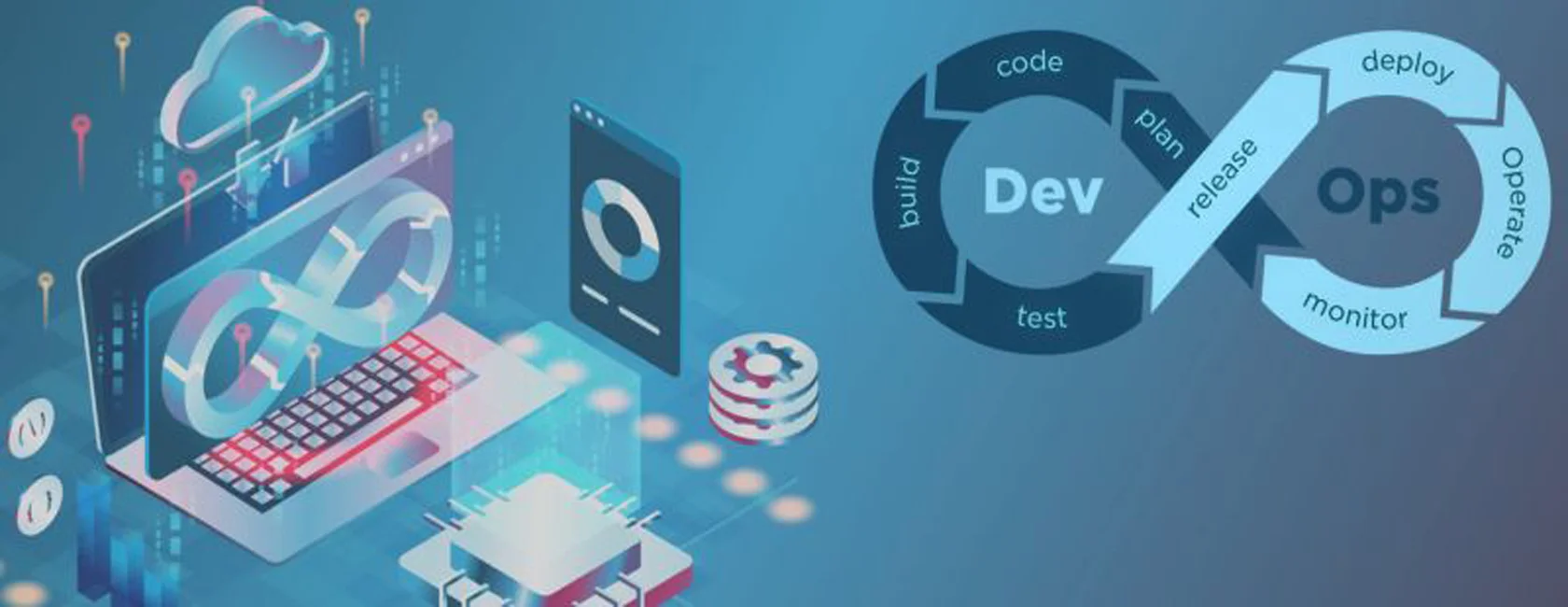
DevOps bridges development and operations teams through automation, CI/CD pipelines, and collaboration to enable faster, more reliable software delivery. It integrates tools like Docker, Kubernetes, Jenkins, and cloud platforms to streamline workflows. DevOps accelerates deployments, reduces errors via continuous testing, cuts costs through automation, and boosts security with DevSecOps practices. It fosters innovation, improves product quality, and enhances team productivity. Organizations adopting DevOps achieve quicker issue resolution, better scalability, and customer satisfaction, making it essential for modern IT amid India's booming tech sector
Why you should learn DevOps:
Learning DevOps equips professionals with automation and collaboration skills to accelerate software delivery, addressing talent gap in India's booming IT sector. It offers high paying job roles amid rising Cloud and AI adoption and increasing employability.
Job Market Demand
In India, DevOps engineers earn ₹9-12 LPA on average, with seniors reaching ₹30-60 LPA at firms like TCS, Infosys, and Amazon. High demand spans roles like SRE, cloud engineer, and automation specialist amid cloud and AI adoption.
Course Contents
| CCNA: |
|---|
|
Fundamentals of Networking |
|
Enterprise Network |
|
OSI Reference Model and TCP/IP Protocol Suite |
|
Function of DNS and DHCP |
|
Media Access Control (MAC) |
|
Packet delivery process |
|
Network Security |
|
Internetwork Operating System (IOS) |
|
Port Security |
|
Troubleshooting Switching issues |
|
Initial Start-up of the Cisco Router |
|
Using the Cisco SDM |
|
Device Configuration |
|
Advanced Dynamic Routing Protocols |
|
Link State Routing Protocol |
|
Switching Technology |
|
VLAN and Trunks |
|
Ports used in a Switch for VLAN |
|
STP Configuration and Monitoring |
|
Network Address Translation (NAT) |
|
Advanced Wide Area Network. |
| RHCSA |
|---|
|
Red Hat System Administration |
|
Manage Files Graphically with Nautilus |
|
Configure Local Services |
|
Manage Physical Storage |
|
Manage Logical Volumes |
|
Monitor System Resources |
|
Manage System Software |
|
Establish Network Connectivity |
|
Administer Users and Groups |
|
Manage Files |
|
Administer Remote Systems |
|
Configure General Services |
|
Manage Virtual Machines |
|
Control the Boot Process |
|
Deploy File Sharing Services |
|
Secure Network Services |
|
Network Configuration and Troubleshooting, |
|
Managing Flexible Storage with the Logical Volume Manager (LVM) |
|
NFS and CIFS |
|
Managing User Accounts |
|
Network User Accounts with LDAP |
|
Managing SELinux |
|
Installing and Managing Software |
|
Managing Processes |
|
Tuning and Maintaining the Kernel |
|
System Recovery Techniques |
| AWS-Solution architect associate: |
|---|
|
Identity Access Management (IAM) |
|
AWS Object Storage and CDN- S3 Glacier and Cloud Front |
|
S3 introduction |
|
Data consistency model |
|
Lifecycle Management |
|
Static Website Hosting |
|
Transfer Acceleration |
|
Storage Management |
|
Cloud Front introduction |
|
EC2 |
|
Load Balancers |
|
IAM roles with EC2 |
|
Elastic Beanstalk |
|
Lambda |
|
Route53 |
|
VPC |
|
Internet Gateway |
|
Security Group |
|
Network ACL |
|
Virtual Private Gateway |
|
Databases on AWS |
|
Application Services |
|
API Gateway |
|
Lambda |
|
Elastic Transcoder |
| Devops |
|---|
|
Devops concept and tools |
|
SDLC practices |
|
Cloud Fundamentals & Identity Management |
|
Virtualization |
|
High Availability and Fault Tolerance and Scalability |
|
Introduction to DevOps and DevSecOps |
|
Containers and Compute Management |
|
Configuration Management Container Orchestration |
|
Secure SDLC and CI/CD pipeline |
|
Software Component Analysis (CSA) in CI/CD pipeline |
|
SAST (Static Analysis) in CI/CD pipeline |
|
DAST (Dynamic Analysis) in CI/CD pipeline |
|
Infrastructure as Code and Its Security |
|
Git and Jenkins Attack |
|
Attacking Docker Containers Misconfiguration |
|
Kubernetes Attacking and Defending |
|
Intro to Cloud -DevSecOps (AWS, Azure) |


